The Fusion Of Ai And Gaming Exploring The Impact Of Artificial Intelligence On Game Creation And Play
Updated: April 10, 2026
The Fusion of AI and Gaming: Exploring the Impact of Artificial Intelligence on Game Creation and Play
In the ever-evolving landscape of digital entertainment, the intersection of artificial intelligence (AI) and gaming stands out as a groundbreaking development. As AI technology advances, it continues to redefine the way games are created, played, and experienced. This transformation not only enhances gameplay but also opens up new avenues for creativity and innovation in game design. In this blog post, we will delve deep into the impact of AI on game creation and play, exploring how it is shaping the future of the gaming industry.
The Role of AI in Game Development
The integration of AI in game development has revolutionized the process by which games are created. Developers are now able to utilize AI to automate complex tasks, enhance graphics, and create more immersive worlds. One of the most significant contributions of AI is procedural content generation, where algorithms are used to create vast game worlds and unique scenarios, reducing the need for manual design. This not only saves time but also provides players with a fresh experience every time they play.
AI-powered tools also assist developers in analyzing player behavior and preferences, allowing for the customization of game content to better suit individual players. This personalization enhances player engagement and ensures a more enjoyable gaming experience. Furthermore, AI-driven analytics offer insights into gameplay mechanics, helping developers fine-tune their games for better balance and fairness.
AI-Driven Non-Playable Characters (NPCs)
One of the most noticeable impacts of AI in gaming is the evolution of non-playable characters (NPCs). In earlier games, NPCs followed simple, scripted behaviors that made them predictable and often unengaging. However, with the advent of AI, NPCs have become more intelligent, capable of learning from player actions and adapting their behavior accordingly.

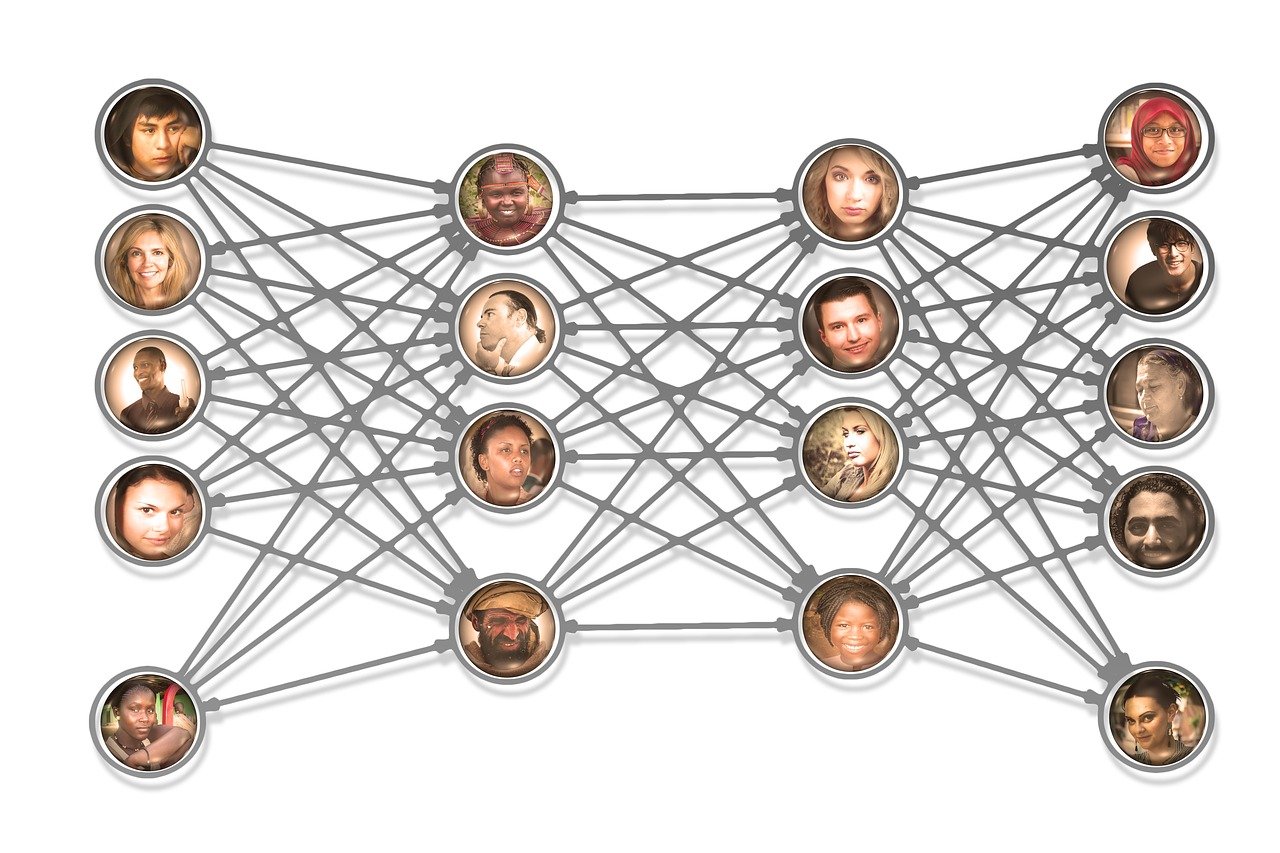
Modern AI techniques such as machine learning and neural networks enable NPCs to exhibit realistic human-like behaviors. They can make decisions based on the game’s environment and the player’s actions, creating a dynamic and interactive gaming experience. For example, in the game Alien: Isolation, the AI-driven alien antagonist learns from player tactics and changes its strategy to provide a challenging and immersive experience.
Enhancing Player Experience through AI
AI’s ability to analyze vast amounts of data in real-time has been instrumental in enhancing player experience. AI algorithms can observe how players interact with games, identifying areas where they may struggle or lose interest. This information allows developers to adjust game difficulty dynamically, ensuring a smoother progression curve and maintaining player engagement.
Moreover, AI can help create more personalized gaming experiences. By analyzing player behavior, AI can tailor in-game events, challenges, and rewards to match a player’s skill level and preferences. This personalization not only boosts player satisfaction but also increases retention rates, as players are more likely to continue playing games that cater to their individual tastes.
AI in Game Design: Creativity Unleashed
Artificial intelligence is also pushing the boundaries of creativity in game design. Game designers are leveraging AI to explore new artistic styles and visual effects, creating stunning and unique aesthetics. AI algorithms can generate art assets, music, and sound effects, offering designers a wide array of creative tools to experiment with.
Additionally, AI has made significant strides in the realm of storytelling. Games like Quantic Dream’s “Detroit: Become Human” use AI to craft branching narratives that react to player choices, leading to multiple story outcomes. This level of interactivity and narrative depth was previously unattainable, highlighting the transformative power of AI in game storytelling.

Challenges and Concerns with AI in Gaming
While the integration of AI in gaming offers numerous benefits, it also presents several challenges and concerns. One major issue is the ethical implications of AI-driven behavior. As NPCs become more advanced and human-like, questions arise about the potential for AI to perpetuate harmful stereotypes or exhibit undesirable behaviors.
Moreover, the reliance on AI for procedural content generation and game balancing raises concerns about the diminishing role of human creativity in game development. There is a risk that over-reliance on AI-generated content could lead to homogenization, where games lose their unique charm and individuality.
Another challenge is the potential for AI to create unfair advantages or disadvantages in competitive gaming. As AI becomes more integrated into gameplay mechanics, ensuring that it does not disrupt the balance of competitive games or give certain players an edge will be crucial.
The Future of AI and Gaming
Looking ahead, the fusion of AI and gaming promises to unlock new possibilities and redefine the gaming landscape. The continuous advancement of AI technology will likely lead to even more sophisticated NPCs, richer game worlds, and more immersive experiences. As AI becomes more adept at understanding player emotions and responses, we can anticipate games that respond to players on an emotional level, creating deeper and more meaningful connections.
Furthermore, the rise of virtual reality (VR) and augmented reality (AR) gaming, powered by AI, will revolutionize how we interact with digital environments. AI will play a pivotal role in creating seamless and realistic VR and AR experiences, blurring the line between the virtual and real worlds.

Finally, the democratization of game development through AI tools will empower indie developers and small studios to create high-quality games with limited resources. This could lead to a surge in innovative and diverse game titles, enriching the gaming ecosystem.
Takeaways
The fusion of AI and gaming represents a paradigm shift in the world of digital entertainment. AI is not only transforming game development and play but also paving the way for new creative possibilities. As AI technology continues to advance, the gaming industry is poised to deliver more engaging, personalized, and immersive experiences than ever before.
However, as we embrace the benefits of AI, it is crucial to address the ethical and creative challenges it presents. By doing so, we can ensure that the future of gaming remains vibrant, diverse, and inclusive, providing players with unforgettable experiences. For those eager to explore more about AI’s role in gaming, the Google AI research portal offers a wealth of information and insights into this fascinating field.
AI and Esports: A New Era of Competition
The rise of esports has been nothing short of meteoric, and artificial intelligence is playing a pivotal role in this ascent. AI technologies are being used to enhance training, strategize gameplay, and even improve broadcasting experiences. For players, AI tools provide invaluable training aids, offering data-driven insights into their performance and suggesting ways to improve. These AI-driven analytics help players refine their skills and strategies, making them more competitive in tournaments.

AI is also transforming the spectator experience. Intelligent overlays and real-time data analysis provide audiences with in-depth insights into ongoing matches, offering a richer and more engaging viewing experience. By analyzing player movements and game dynamics, AI can predict potential outcomes and highlight key moments, keeping viewers informed and entertained.
AI’s Impact on Game Accessibility
Another significant area where AI is making a difference is in game accessibility. AI technologies can help make games more inclusive for players with disabilities. For instance, speech recognition AI can allow players who are unable to use traditional controllers to interact with games using voice commands. Similarly, AI-driven image recognition can assist visually impaired gamers by narrating on-screen action or converting visual cues into audio feedback.
The potential of AI to break down barriers and create a more inclusive gaming environment is immense. By continuing to focus on accessibility, developers can ensure that more players can enjoy and benefit from the gaming experience, regardless of their physical capabilities.
AI in Mobile Gaming
Mobile gaming is another sector where AI is making a substantial impact. With the proliferation of smartphones, mobile games have become increasingly popular, and AI is helping to elevate this experience. AI algorithms can optimize games for different devices, ensuring smooth performance across a wide range of hardware configurations.
Additionally, AI is used to tailor advertisements and in-app purchase recommendations based on player preferences and behavior. This personalization not only enhances the user experience but also increases monetization opportunities for developers. Furthermore, AI can analyze player engagement and retention data to help developers tweak their games for better performance in the highly competitive mobile gaming market.
Ethical Considerations in AI-Driven Gaming
As AI continues to shape the gaming industry, ethical considerations must be at the forefront of development discussions. Issues such as data privacy, algorithmic bias, and the potential for AI to manipulate player behavior require careful thought and regulation. Developers must strive to maintain transparency in how AI is used within games and ensure that player data is handled responsibly.

Moreover, as AI algorithms become more sophisticated, developers should consider the implications of creating highly realistic NPCs and game environments. Ensuring that AI-driven content does not perpetuate harmful stereotypes or encourage negative behavior is crucial for maintaining a responsible and ethical gaming ecosystem.
The Collaborative Future of AI and Human Creativity
Despite concerns about AI overshadowing human creativity, the future of gaming lies in the collaboration between AI and human ingenuity. AI can serve as a powerful tool that augments the creative process, providing developers and designers with new ways to express their visions. By leveraging the strengths of both AI and human creativity, the gaming industry can continue to innovate and captivate audiences worldwide.
This collaborative approach can lead to more diverse and original game titles, as AI helps to streamline the development process and allows creators to focus on storytelling and design elements. The fusion of AI and human creativity is not about replacing one with the other but rather finding a balance that enhances the strengths of both.
Takeaways
The fusion of AI and gaming is a testament to the transformative power of technology. AI has already begun to reshape the gaming industry, offering new possibilities for game development, player engagement, and accessibility. While challenges and ethical considerations remain, the potential benefits of AI-driven gaming are immense.
As we move forward, embracing the collaborative potential of AI and human creativity will be key to unlocking the future of gaming. By doing so, developers can continue to push the boundaries of what is possible, delivering unforgettable experiences to players around the world. For those interested in further exploring the role of AI in gaming, the Gamasutra article on AI in game development offers a comprehensive overview of current trends and future possibilities.