Revolutionizing Social Interaction How Multiplayer Games Are Changing Our Social Dynamics
Updated: April 10, 2026
Revolutionizing Social Interaction: How Multiplayer Games are Changing our Social Dynamics
In recent years, multiplayer games have become more than just a source of entertainment; they have evolved into a significant cultural phenomenon that is reshaping the way we interact socially. From building global communities to fostering teamwork and communication skills, multiplayer games are altering traditional social dynamics in unprecedented ways. This transformation is not just a fleeting trend but a profound shift in how we connect, communicate, and collaborate.
The Rise of Multiplayer Games
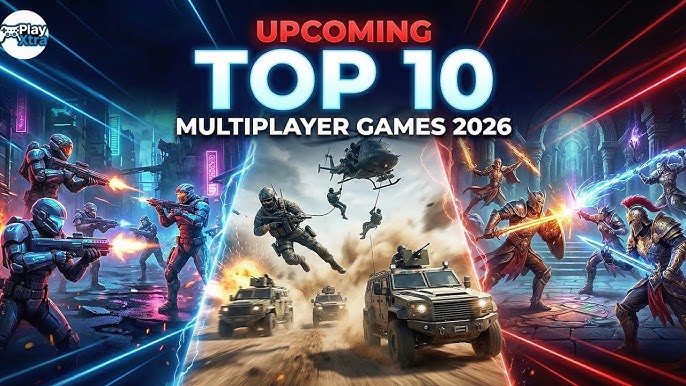
The advent of the internet and advancements in technology have paved the way for multiplayer games to flourish. These games allow players from different parts of the world to connect and play together in real-time. Whether it’s a cooperative mission in World of Warcraft or a competitive match in Fortnite, the ability to engage with others has made multiplayer gaming a mainstream activity.
According to a report by Statista, the global gaming market is expected to reach over 200 billion U.S. dollars by 2023, with multiplayer games contributing significantly to this growth. This surge in popularity is not just due to the entertainment value but also the social experiences that these games offer.
Building Global Communities
One of the most remarkable impacts of multiplayer games is their ability to build global communities. These games bring together individuals from diverse backgrounds and cultures, fostering a sense of belonging and shared experience. Platforms like Twitch, where gamers can stream their gameplay, have further enhanced this sense of community, allowing players to connect with a broader audience beyond their in-game interactions.

Communities formed around multiplayer games can often transcend the game itself, creating friendships and networks that extend into the real world. For example, gaming conventions and tournaments provide opportunities for players to meet face-to-face, strengthening both online and offline bonds.
Enhancing Communication and Teamwork Skills
Multiplayer games often require players to work together towards a common goal, which can enhance communication and teamwork skills. Games like League of Legends and Overwatch demand strategic planning and effective communication, as players must coordinate their actions to succeed. This requirement has led to the development of sophisticated communication tools within games, such as voice chat and in-game messaging systems.
These tools not only facilitate gameplay but also help players develop essential skills that are transferable to real-world scenarios. Employers are increasingly recognizing the value of these skills, with some organizations even using multiplayer games as a team-building exercise.
Breaking Down Social Barriers
Multiplayer games have the power to break down social barriers, allowing players to interact with others they might not ordinarily meet. This interaction can lead to greater understanding and acceptance of different cultures and perspectives. Games like Animal Crossing: New Horizons offer a platform for players to express themselves creatively and share their unique experiences with a global audience.
Moreover, multiplayer games provide a space where players can be judged solely on their skills and actions within the game, rather than their physical appearance or social status. This leveling of the playing field can lead to more inclusive social interactions, where individuals are valued for their contributions rather than their backgrounds.

Challenges and Considerations
Despite the numerous benefits, multiplayer games are not without their challenges. Issues such as online harassment, gaming addiction, and the digital divide can hinder the positive social impact of these games. Developers and communities are continuously working to address these concerns by implementing measures such as reporting systems, parental controls, and initiatives to promote responsible gaming behavior.
Furthermore, access to multiplayer games can be limited by factors such as internet connectivity and the cost of gaming equipment. Efforts to make gaming more accessible to a wider audience are crucial in ensuring that the social benefits of multiplayer games are available to all.
The Future of Multiplayer Gaming and Social Interaction
As technology continues to evolve, the potential for multiplayer games to influence social interaction will only increase. The integration of virtual reality (VR) and augmented reality (AR) into multiplayer games offers exciting possibilities for even more immersive and engaging social experiences.
For instance, platforms like Oculus are already exploring the potential of VR to create virtual spaces where players can interact in a more lifelike manner. These advancements may lead to the creation of entirely new forms of social interaction, blurring the lines between the virtual and real worlds.
Takeaways
Multiplayer games are undoubtedly revolutionizing social interaction, offering new ways to connect and communicate in an increasingly digital world. From building global communities to developing essential skills and breaking down social barriers, these games are changing our social dynamics in profound ways.

As we look to the future, the continued growth and evolution of multiplayer games hold the promise of even more innovative and meaningful social experiences. By addressing the challenges and embracing the opportunities presented by these games, we can harness their potential to create a more connected and inclusive society.
To stay informed about the latest developments in the gaming industry, consider following reputable sources such as GamesIndustry.biz for comprehensive coverage and analysis.
Impact on Mental Health and Well-being
Another significant aspect of multiplayer games is their impact on mental health and well-being. While the discussion around gaming often highlights potential negatives, such as addiction and exposure to toxic behavior, it’s important to recognize the positive mental health benefits that can arise from online gaming communities.
Multiplayer games can provide a sense of accomplishment and purpose, especially for individuals who may struggle with traditional social interactions. Achieving goals, completing missions, and contributing to a team can boost self-esteem and provide a sense of belonging. Moreover, the social support found within gaming communities can be invaluable, offering players a network of friends who share similar interests and experiences.
A study published by Psychology Today suggests that online games can serve as a form of escapism, providing a safe space for individuals to explore their identities and emotions. This aspect can be particularly beneficial for those experiencing anxiety or depression, as it allows for social interaction without the pressures of face-to-face communication.
The Educational Potential of Multiplayer Games

The educational potential of multiplayer games is another area gaining recognition. These games offer unique opportunities for learning and development, particularly in terms of problem-solving, critical thinking, and collaboration. Educational institutions are increasingly exploring the use of games as teaching tools, leveraging their interactive nature to engage students in new and innovative ways.
For instance, games that incorporate historical events or scientific principles can provide a dynamic learning environment, allowing players to experience concepts firsthand. Multiplayer games also encourage players to research strategies, collaborate with others, and adapt to new challenges, all of which are valuable skills in academic and professional settings.
By integrating educational content into multiplayer games, developers can create experiences that are not only enjoyable but also enriching, offering players a chance to learn while they play.
Monetization and Economic Impact
The rise of multiplayer games has also led to significant economic impacts, both within the gaming industry and beyond. The monetization strategies employed by developers, such as in-game purchases and subscription models, have transformed gaming into a lucrative business. This economic growth has led to job creation and innovation in related fields, such as game design, streaming, and esports.
The popularity of esports, in particular, has created new career paths for players, commentators, and organizers, contributing to a vibrant and rapidly expanding industry. Major tournaments and leagues offer substantial prize pools and attract millions of viewers worldwide, demonstrating the economic potential of competitive gaming.
As multiplayer games continue to grow in popularity, their economic impact is likely to expand, providing new opportunities for players and professionals alike.
Addressing the Digital Divide

While multiplayer games offer numerous benefits, it’s essential to address the digital divide that can prevent some individuals from accessing these experiences. Factors such as limited internet connectivity, high costs of gaming equipment, and lack of digital literacy can exclude certain demographics from participating in multiplayer gaming.
Efforts to bridge this divide are crucial in ensuring that the social, educational, and economic benefits of multiplayer games are accessible to all. Initiatives such as community gaming centers, affordable gaming options, and digital literacy programs can help level the playing field and foster inclusivity in the gaming community.
Organizations and developers must work together to address these challenges, creating a more equitable gaming landscape that allows everyone to enjoy the transformative potential of multiplayer games.
Final Thoughts
The evolution of multiplayer games is revolutionizing the way we interact and connect with one another. By fostering global communities, enhancing communication skills, and providing educational and economic opportunities, these games are reshaping our social dynamics in profound ways.
As technology advances and the gaming industry continues to grow, it is essential to embrace the potential of multiplayer games while addressing the challenges they present. By doing so, we can create a more connected, inclusive, and enriching gaming experience for players around the world.
For continued insights into the impact of gaming on society, consider exploring resources from PC Gamer, which offers in-depth articles and industry updates.