Introduction
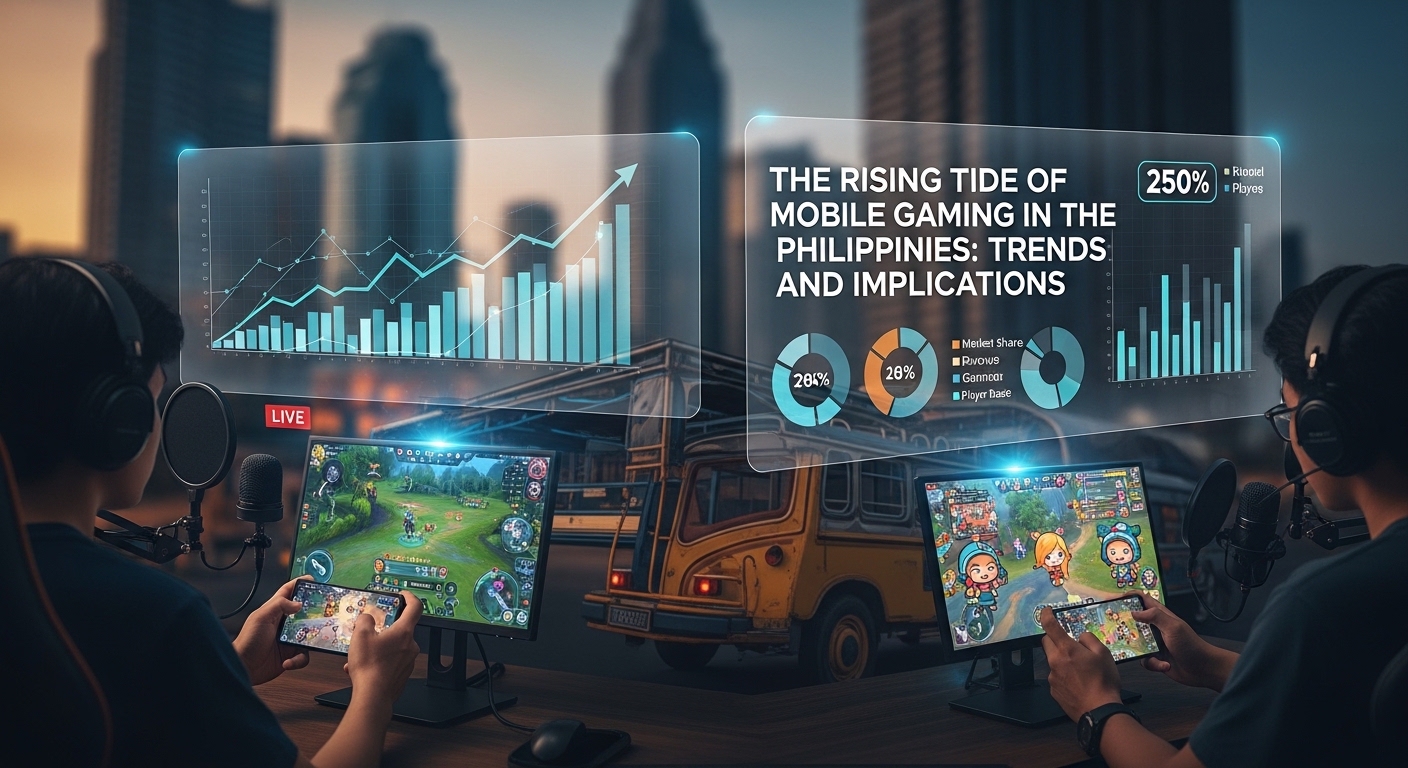
The gaming landscape in the Philippines is undergoing a significant transformation, driven by the rapid adoption of mobile technology. With a population that is increasingly tech-savvy and connected, the rise of mobile gaming presents opportunities and challenges for both gamers and developers.
Mobile Gaming Boom
According to recent data, the Philippines has one of the fastest-growing mobile gaming markets in Southeast Asia. This growth can be attributed to several factors, including affordable smartphones, widespread internet access, and a young, enthusiastic gaming community. Titles like PUBG Mobile, Mobile Legends, and Genshin Impact have captivated Filipino gamers, leading to a surge in both casual and competitive gaming.
Web3 and Blockchain Gaming
The emergence of Web3 gaming has introduced a new dimension to the gaming experience, allowing players to have ownership of in-game assets through blockchain technology. However, the trend hasn’t been entirely positive. A report detailing a series of Web3 game shutdowns indicates that while some games have thrived, many others have faltered, leaving players without recourse to their investments.
In the Philippines, where the gaming community is robust, the transition to blockchain gaming could reshape how players interact with games. However, the inherent volatility and uncertainties associated with Web3 must be navigated carefully. Developers will need to establish transparent systems to ensure player trust and long-term viability.
The Role of Traditional Gaming Companies
Traditional gaming companies are also adapting to the mobile gaming trend. Recent collaborations, such as that between Century Entertainment and WPT, highlight a continuing commitment to enhancing mobile gaming experiences in the Asia-Pacific region. This partnership aims to leverage the popularity of mobile gaming to engage a wider audience and enhance user experience.
As traditional gaming companies invest in mobile platforms, they are also faced with the challenge of balancing innovation with player expectations. Offering immersive experiences while ensuring fair play will be critical as the market matures.
Community Engagement and Local Content
Engagement with local gaming communities is essential for the success of new titles in the Philippines. Games that incorporate Filipino culture, languages, and customs are likely to resonate more deeply with players. This is evident in the popularity of games that feature local folklore and traditions. Developers who prioritize cultural relevance and community feedback may find greater success in this vibrant market.
Challenges Ahead
Despite the positive growth trajectory, the mobile gaming sector in the Philippines faces several challenges. Issues such as internet connectivity, particularly in rural areas, remain a significant barrier. Furthermore, with the influx of new titles and trends, maintaining player loyalty can be difficult.
Moreover, the competitive nature of the mobile gaming market means that developers must continually innovate to stay relevant. Continuous updates, engaging storylines, and responsive community management will be crucial for sustained success.
Conclusion
The future of mobile gaming in the Philippines looks promising, but it is not without its obstacles. As the market continues to evolve, both gamers and developers will need to adapt to emerging technologies and trends. The importance of community engagement and local content cannot be overstated, as they will play vital roles in shaping the future of gaming in the region.
Actionable Takeaway
- Developers should focus on incorporating cultural elements into games to enhance local engagement.
- Players should stay informed about Web3 developments to navigate the evolving gaming landscape.
- Investors in gaming should consider the sustainability of new projects and their adaptability to market changes.