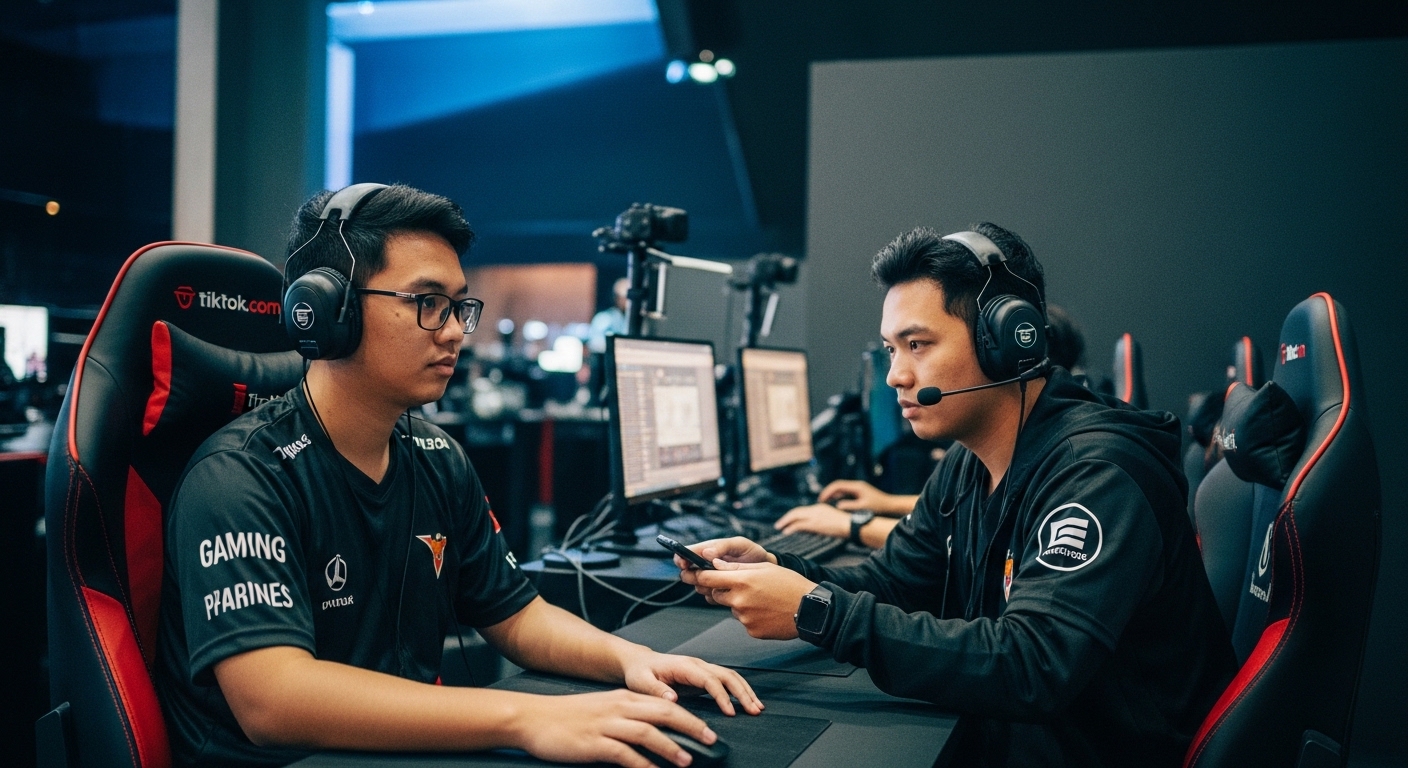
In the Philippines, mobile gaming has moved from a pastime to a social platform, with the phrase mobile Gaming Philippines surfacing frequently in discussions about youth culture, data plans, and digital entrepreneurship. As TikTok expands its reach beyond bite-size videos into a broader entertainment ecosystem, Filipino players increasingly discover, discuss, and monetize games through a feed that blends clips, challenges, and creator-powered recommendations. This analysis investigates how mobile gaming in the Philippines is being reshaped by TikTok’s mechanics, and what that means for developers, publishers, and policymakers seeking sustainable growth in a competitive space.
Context: The Philippines’ Mobile Gaming Momentum
Phone penetration in the country has raised access to casual and competitive titles alike. In urban and provincial markets, players swap game decisions in chat groups and on short videos, while data plans and device affordability drive a daily rhythm of quick sessions and longer marathons on weekends. The convergence of affordable devices, improving network reliability, and a vibrant digital culture has turned mobile devices into personal gaming consoles for millions, particularly among younger demographics. This context matters because it creates a population that expects frictionless discovery and lightweight monetization models, not heavy PC or console experiences. The Philippines thus offers a proving ground for titles that rely on personalized recommendations, social competition, and rapid content loops to sustain engagement.
Platform Dynamics: TikTok as a Catalyst for Game Discovery
TikTok’s algorithmic loops compress discovery into seconds, and gaming content is uniquely suited to this format. Short clips that show a clever combo, a glamorous loot drop, or a fearless in-app challenge can spark curiosity without a full trailer. Filipino creators often blend gameplay snippets with day-in-the-life streams, commentaries, and memes, creating a blended texture that makes a new title feel familiar before a user ever taps a download button. The ‘For You’ feed, search results, and live-streaming features create a multi-layered funnel where a casual viewer can become a paying player through a sequence of small, value-driven interactions: watch, try a demo, join a community, and consider in-app purchases or subscriptions. The platform’s cultural alignment with quick social validation—likes, shares, and comments—also incentivizes developers to invest in virally friendly content, such as short tutorials, accessibility tips, and localized slang that resonates with Filipino gamers.
Economic Currents and Consumer Behavior
Monetization in mobile titles remains a delicate balance in the Philippines, where price sensitivity and data costs influence spending patterns. Free-to-play models with optional in-app purchases are common, but the way players encounter offers—through TikTok-driven discovery rather than traditional in-app banners—adds a layer of behavioral change. Creators who bridge content and commerce can drive meaningful engagement, yet this also raises questions about transparency, advertising disclosures, and perceived fairness in microtransactions. Localized pricing, regional promotions, and perceived value play crucial roles in sustaining a title’s lifecycle here. Beyond direct spending, the ecosystem is increasingly shaped by partnerships among brands, telecoms, and game publishers, who see in TikTok a scalable channel to reach mobile-first audiences, particularly in provinces outside Metro Manila where community ties are strongest.
Actionable Takeaways
- Developers should tailor content to short-form video, collaborate with Filipino creators, and localize monetization for mobile users (clear value, transparent offers, and fair pricing).
- Publishers and platforms should support creator education on in-app purchases, with transparent disclosure about odds and outcomes to build trust among young players and parents.
- Policymakers and educators should promote responsible gaming, digital literacy, and parental controls, ensuring data privacy and age-appropriate experiences in a country with rapid platform growth.
- Retailers and telcos can pilot bundled data-friendly gaming bundles and cross-promotions that reduce friction for onboarding new players in rural and urban areas alike.
- Gamer communities should emphasize inclusive, safe spaces, with clear moderation policies and channels for reporting abuse or scams on mobile platforms.
Source Context
- GamblingNews — Mobile Betting Boom in the Philippines Triggers Calls for Public Awareness
- Cuindependent — GZone Tour 2026 Explained
- GGR Asia — Belle Corp’s 2025 gaming revenue from CoD Manila down 17pct y-o-y, seeks to bolster bid for Clark IR
From an editorial perspective, separate confirmed facts from early speculation and revisit assumptions as new verified information appears.